Metabolizable Protein (MP) Intake Based on Estimates of Ruminally Undegraded Protein (UIP) and Microbial Protein Synthesis
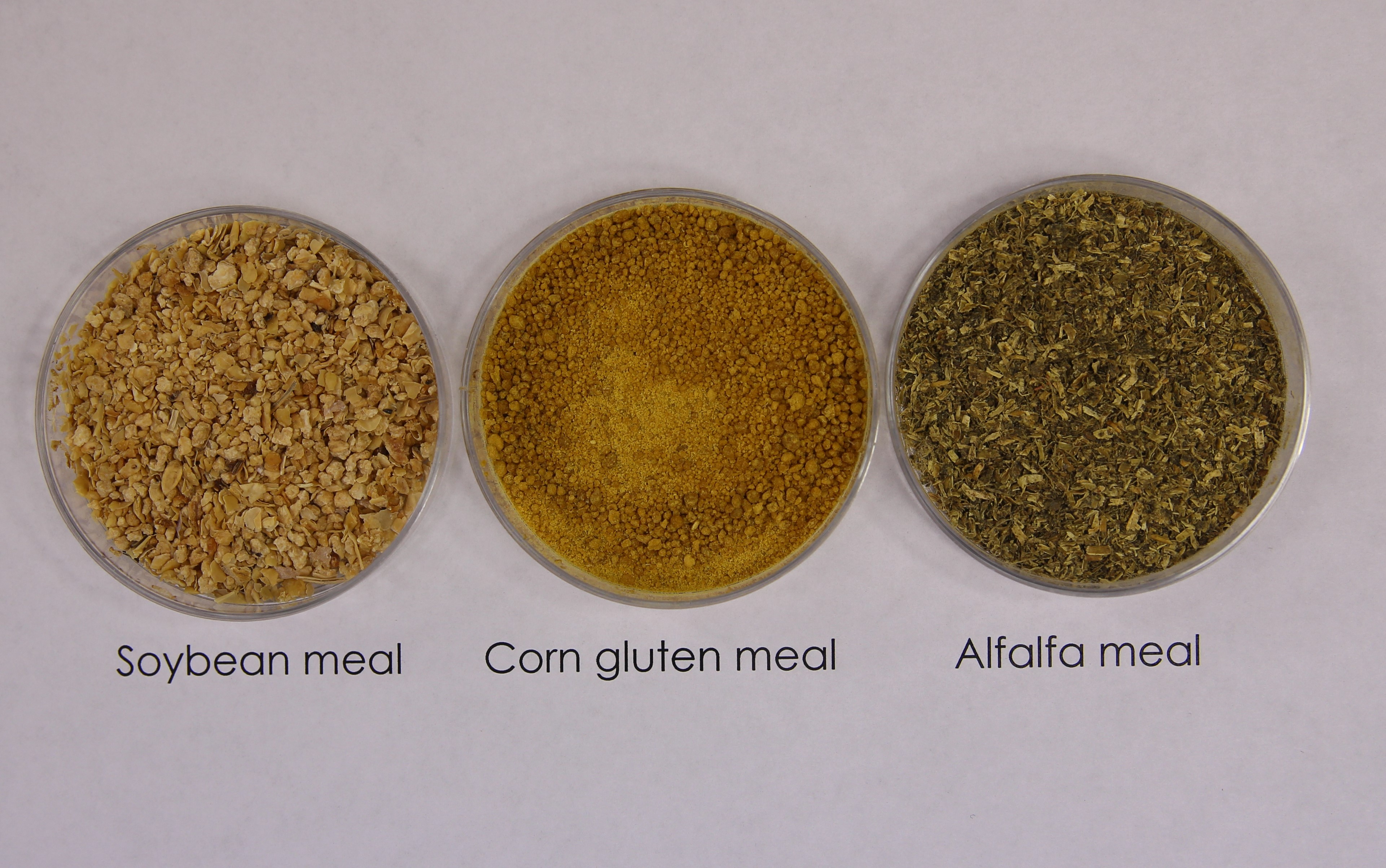 In the other calculation procedures, a simple method has been used to convert requirements for MP into CP. This method involves the assumption that the conversion varies between 0.64 and 0.8 (i.e., 1 g CP is equivalent to between 0.64 and 0.8 g MP) for diets with CP being 100 to 0% degraded in the rumen. For most practical purposes when the dietary CP level is near the requirement, this should be adequate. However, it is more appropriate to base MP intake on the two major origins of amino acids absorbed in the small intestine (i.e., ruminally undegraded true protein and microbial true protein synthesized in the rumen and flowing to the small intestine). This is probably more important for instances in which diets very high in CP are consumed. In the other calculation procedures, a simple method has been used to convert requirements for MP into CP. This method involves the assumption that the conversion varies between 0.64 and 0.8 (i.e., 1 g CP is equivalent to between 0.64 and 0.8 g MP) for diets with CP being 100 to 0% degraded in the rumen. For most practical purposes when the dietary CP level is near the requirement, this should be adequate. However, it is more appropriate to base MP intake on the two major origins of amino acids absorbed in the small intestine (i.e., ruminally undegraded true protein and microbial true protein synthesized in the rumen and flowing to the small intestine). This is probably more important for instances in which diets very high in CP are consumed.
To use this method, characteristics of CP in the diet
or individual feedstuffs in the diet are needed. Values for feedstuffs
used by Luo et al. (2004a,b) and Nsahlai et al. (2004) are shown below. The dietary proportions
are then used to determine average dietary values for these different
characteristics. Other required inputs are dry matter (DM) intake, dietary
concentrations of forage and concentrate, ME concentrations in
forage and concentrate, and body weight (BW). The calculator is set up
for input of the average concentrations in concentrate and forage.
If mixtures of feedstuffs are used, the proportions of individual
feedstuffs will need to be considered to derive average concentratins
to be entered below. For mixtures with a large number of different
ingredients, use of a spreadsheet might be a consideration. The calculator is set up so that more than one concentrate and more than one forage can be selected, with composition values being entered into the table below. However, this calculator is fitted with a pop-up window entitled "Input Selected Feed Ingredients Percentages to Determine Concentrate and Forage Values". After selecting feed ingredients, click on this button and enter the dietary levels of the various feedstuffs, then click on the "Calculate" button in the pop-up window and average concentrate and forage values will appear in the table below.
Example
Let's assume the following:
Body weight = 40 kg
DM intake = 1 kg
Concentrate = sorghum grain CP degradation characteristics, with a ME concentration of 12.38 MJ/kg DM, at 50% of the diet
Forage = bermudagrass hay CP degradation characteristics, with a ME concentration of 7.41 MJ/kg DM, at 50% of the diet
To estimate the dietary ME concentration, often feed tags list the Total Digestible Nutrient (TDN) concentration. Likewise, most commercial feed laboratories estimate the TDN concentration based on various analyses, such as for crude protein and fiber fractions.
Our example results in MP intake of 72.2 g or 7.22% of DM intake. Since the UIP concentration is 42.6% based on the formula: conversion of CP to MP = 0.64 + (% UIP × 0.16), the predicted conversion of CP to MP is 0.708, which is very close to the value estimated from this example by dividing MP intake by total CP intake (i.e., 0.706).
1SolP = Soluble CP (g/g total CP).
2SDP = Slowly degradable protein (g/g total CP).
3kd = rate of degradation of SDP (/h).
4ADIP = acid detergent insoluble CP (g/g total CP).
5DRUDP = ruminally undegraded but intestinally digestible protein (g/g total CP). Calculated as
the difference between total CP and the sum of SolP, SDP, and ADIP.
6NPCP = non-protein CP (g/g SolP). Derived from NRC (1996).
7ME = Metabolizable energy (MJ/kg)
Sources used in this calculation method are:
Luo, J., A. L. Goetsch, I. V. Nsahlai, T. Sahlu, C. L. Ferrell, F. N. Owens, M. L. Galyean, J. E. Moore, and Z. B. Johnson. 2004. Metabolizable protein requirements for maintenance and gain of growing goats. Small Ruminant Research 53:309-326.
Nsahlai, I. V., A. L. Goetsch, J. Luo, Z. B. Johnson, J. E. Moore, T. Sahlu, C. L. Ferrell, M. L. Galyean, and F. N. Owens. 2004. Metabolizable protein requirements of lactating goats. Small Rum. Res. 53:327-337.
NRC. 1996. Nutrient Requirements of Beef Cattle (7th Revised Edn.) National Academy Press, Washington, DC.
|